Kids' vitamins: who needs one, gummy safety and iron warnings

Quick answer: Most healthy children who eat a varied diet don't need a daily multivitamin, according to the American Academy of Pediatrics. Some kids may, including very selective eaters, children on restricted diets and those with certain medical needs, so start with your pediatrician. If you do buy gummies, store them like medicine, and keep every iron-containing product locked away from children under 6.
Last updated: November 16, 2026
Children's vitamins are some of the easiest supplements to buy and some of the easiest to misuse. Bright colors, fruit flavors and cartoon shapes make them appealing to the child who is meant to take them, and just as appealing to a younger brother or sister who finds the bottle. This guide looks at which children may actually benefit from a supplement, how to read a label written for a growing body, and the safety steps that matter most at home, especially around iron.
Does your child need a vitamin at all?
The American Academy of Pediatrics (AAP) takes a food-first view. A child who eats a reasonable mix of fruits, vegetables, grains, protein foods and dairy or fortified alternatives usually gets the vitamins and minerals they need from meals and snacks. Picky phases are common in toddlers and preschoolers, and what a child eats often balances out over several days rather than at every single meal.
A supplement can make sense in specific situations, which is why the decision belongs with your pediatrician:
- Very selective eaters whose diet leaves out whole food groups for long stretches.
- Children on restricted diets, including diets with no animal foods, which may call for specific nutrients such as vitamin B12.
- Children with certain medical needs, such as a condition that affects how food is absorbed, or a low level of a specific nutrient found by their doctor.
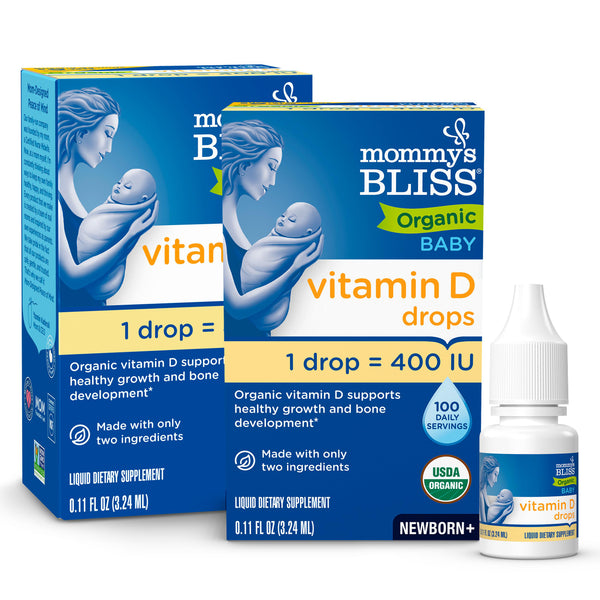
- Breastfed and partially breastfed infants, for whom the AAP advises 400 IU (10 mcg) of vitamin D a day. This is usually given as drops rather than as a children's multivitamin.
If your pediatrician suggests a single nutrient, such as vitamin D or iron, a targeted product is often simpler than a full multivitamin. Our guide Vitamin D in winter explains how IU and mcg convert.
Gummies look like candy, so store them like medicine
Gummy and chewable vitamins solve a real problem for kids who can't swallow tablets, but the texture and flavor that make them easy to take also make them tempting. A child who thinks of vitamins as sweets may help themselves to a handful when no adult is around. A few habits lower that risk considerably:
- Never call vitamins candy, and don't turn taking them into a reward or a game.
- Keep the child-resistant cap on the bottle and twist it fully closed after every use, even if you will open it again later that day.
- Store bottles up high and out of sight, not on the kitchen counter, a lunch table or a nightstand.
- Know roughly how many pieces are left, so you can tell quickly if some have gone missing.
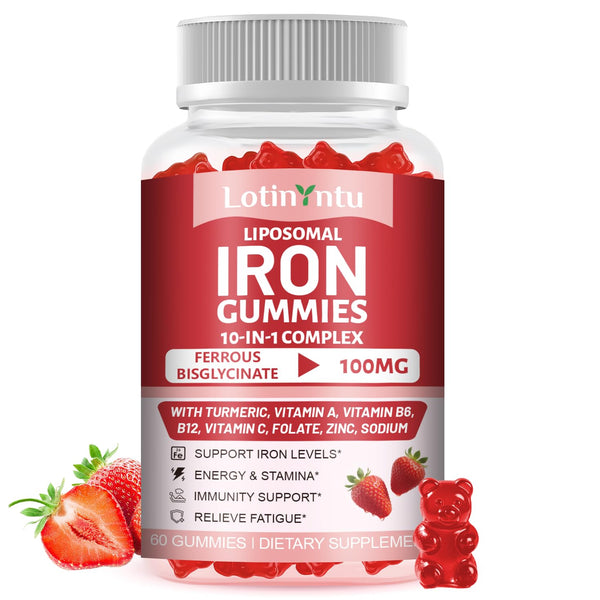
- Keep adult gummies, especially those containing iron or melatonin, well apart from children's products. To a young child they can look nearly identical.
Gummies also tend to contain added sugars, and some use sugar alcohols, which can upset some children's stomachs in larger amounts. Both appear on the label, as covered below. Our glossary has a short entry on the gummy format.
The iron warning, and why it is on the label
Iron stands apart because its label carries a legally required poisoning warning. Under federal labeling rules (21 CFR 101.17(e)), dietary supplements that contain iron in solid dosage forms, such as tablets and capsules, must carry a printed warning. In plain terms, it tells you three things: accidental iron overdose ranks as a leading cause of fatal poisoning among kids younger than 6; the product has to be kept where children can't reach it; and if a child does swallow too much, a doctor or a poison control center should be contacted without delay.
The warning applies to adult products as much as to children's ones. Prenatal vitamins, iron supplements and many adult multivitamins contain far more iron per piece than a young child needs. Many children's multivitamins are made without iron; when iron is included, the amount is listed on the Supplement Facts panel and the warning appears on the package.
Iron, vitamin A and vitamin D by age
Two reference numbers are worth knowing. The RDA (Recommended Dietary Allowance) is set to cover almost every healthy child of a given age. The UL (Tolerable Upper Intake Level) marks the highest daily total, counting food and supplements together, that is unlikely to cause harm. The figures below come from NIH Office of Dietary Supplements fact sheets.
| Child's age | Iron RDA | Iron UL | Vitamin A UL (preformed) | Vitamin D UL |
|---|---|---|---|---|
| Ages 1–3 | 7 mg | 40 mg | 600 mcg RAE | 63 mcg (2,500 IU) |
| Ages 4–8 | 10 mg | 40 mg | 900 mcg RAE | 75 mcg (3,000 IU) |
| Ages 9–13 | 8 mg | 40 mg | 1,700 mcg RAE | 100 mcg (4,000 IU) |
Two details are easy to miss. The vitamin A limit applies to preformed vitamin A, listed as retinol or retinyl esters such as retinyl palmitate, and not to beta-carotene, so check which form the panel names; our glossary explains RAE. And each limit counts everything a child eats and drinks: fortified cereal, fortified milk and a multivitamin can add up over a day.
Reading a children's Supplement Facts panel
- Serving size by age. Many products give different servings for different ages, for example one gummy for younger children and two for older ones. Follow the line that matches your child.
- %DV and the age it refers to. Products labeled for children 1 to 3 years use Daily Values set for that age group. Products for ages 4 and up use the general Daily Values that also apply to adults, which can be higher than a young child's RDA. The Daily Value for iron, for instance, is 18 mg, well above the RDA for a child of 4 to 8. See percent Daily Value.
- Iron: yes or no. Look for iron on the panel and note the amount. If iron is in a tablet, capsule, chewable or gummy, the warning must appear on the label.
- Added sugars per serving. Compare grams between products and remember they count toward your child's day.
- Sugar alcohols. Ingredients such as sorbitol, xylitol or maltitol may appear on the panel or in the other ingredients list.
- Other ingredients. Read the colors, the gelling agent (gelatin or pectin) and the allergen statement.
Before you buy: a parent's checklist
- You have asked your pediatrician whether your child needs a supplement, and which nutrients.
- The product is made for your child's age, and you know the serving size for that age.
- You have checked whether it contains iron, and how much.
- Vitamin A, vitamin D and iron stay within the UL once food and fortified products are added in.
- The added sugars and sugar alcohols per serving are acceptable to you.
- The bottle has a child-resistant cap and an intact tamper-evident seal.
- You have a high, out-of-sight storage spot that is separate from adult supplements.
- Seals are optional; if you want one, our explainer on USP, NSF and similar marks shows what each can and can't tell you.
Safety notes
If a child swallows a supplement that wasn't meant for them, or more than the label serving, don't wait to see whether they seem unwell. Use the webPOISONCONTROL online tool at poison.org or contact Poison Control right away, and call emergency services if the child collapses, has a seizure, has trouble breathing or can't be woken. Keep the bottle with you so you can describe the product and how much may be missing.
Check with your pediatrician or pharmacist before giving any supplement if your child takes medication or has a medical condition, and before using herbal products or melatonin in children; our melatonin guide covers children's use in more detail. Never give a child an adult product, or more than the label directs for their age, unless your pediatrician advises it.
Related
Browse Kids' Vitamins & Supplements, Kids' Gummy Vitamins, Chewable Vitamins, Liquid Vitamin D3 Drops, Iron (mostly adult strengths, so store out of reach) and Women's, Men's & Kids' Health. Our safety page covers interactions and upper limits, the label-reading walkthrough explains each line of the panel, and the glossary defines UL and every other term used on a children's bottle.
This guide is for general education and isn't a substitute for advice from your doctor, pharmacist or registered dietitian. Talk to your doctor or pharmacist before starting a supplement, especially if you're pregnant or nursing, take medication, or have a medical condition.
†These statements have not been evaluated by the Food and Drug Administration. These products are not intended to diagnose, treat, cure, or prevent any disease.
Sources
- Where We Stand: Vitamin Supplements for Children (AAP, HealthyChildren.org)
- Iron warning rule, 21 CFR 101.17(e) (Electronic Code of Federal Regulations)
- Iron: NIH ODS fact sheet (health professional version)
- Vitamin A and carotenoids: NIH ODS fact sheet (health professional version)
- Vitamin D: NIH ODS fact sheet (health professional version)
- Daily Values explained (FDA, Nutrition Facts and Supplement Facts labels)
- Poison Control (webPOISONCONTROL)