Omega-3 basics: EPA, DHA, fish oil vs. algae oil

Quick answer: EPA and DHA are the omega-3s found mainly in fish and algae; ALA is the plant omega-3 in flaxseed, chia and walnuts, and the body converts only a small amount of ALA into EPA and DHA. On a supplement label, look past the total "fish oil" number and add EPA plus DHA per serving. Algae oil is the plant-based source of DHA. Store oils away from heat, and ask your doctor first if you take a blood thinner.
Last updated: November 24, 2026
Omega-3 fatty acids are fats your body uses to build cell membranes throughout the body, and they are among the most popular supplements in the country. They are also among the most confusing to compare, because the number on the front of the bottle is rarely the number that matters. This guide covers the three main omega-3s, food sources, label math, the different kinds of oil, and storage and safety.
The three main omega-3s
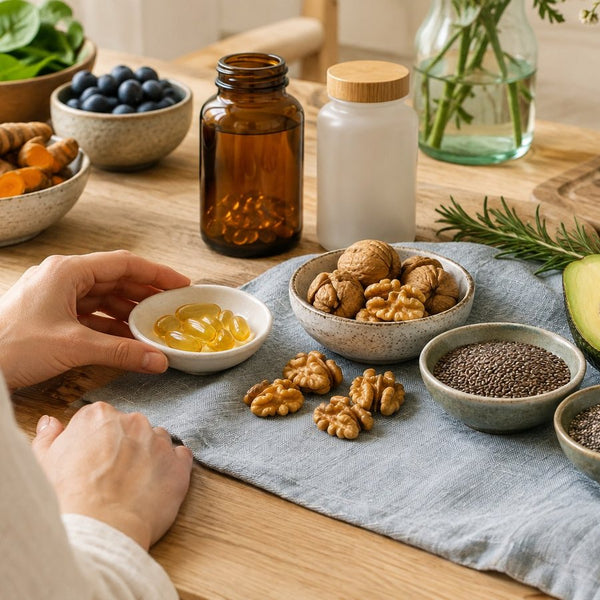
- ALA (alpha-linolenic acid) is found in plant foods such as flaxseed, chia seeds, walnuts, and canola and soybean oils. It is an essential fat, so you need to get it from food.
- EPA (eicosapentaenoic acid) and DHA (docosahexaenoic acid) are found mainly in fatty fish and seafood. Fish get them by eating algae, which is why algae oil also contains them.
- Your body can convert some ALA into EPA and DHA, but only in small amounts, so food or supplements that contain EPA and DHA are the practical way to increase them.
How much do you need?
The only official intake recommendation is for ALA: an Adequate Intake of 1.6 grams a day for men and 1.1 grams a day for women. There is no established recommended amount for EPA and DHA. The Dietary Guidelines for Americans suggest that adults eat about 8 ounces of seafood a week, choosing options lower in mercury, and that people who are pregnant or breastfeeding eat 8–12 ounces a week of lower-mercury seafood.
Food sources
Approximate amounts per serving, based on the NIH Office of Dietary Supplements:
| Food | Main omega-3s |
|---|---|
| Salmon, Atlantic, farmed, cooked, 3 oz | about 1.2 g DHA and 0.6 g EPA |
| Herring, cooked, 3 oz | about 0.9 g DHA and 0.8 g EPA |
| Sardines, canned, 3 oz | about 0.7 g DHA and 0.5 g EPA |
| Mackerel, cooked, 3 oz | about 0.6 g DHA and 0.4 g EPA |
| Flaxseed oil, 1 tablespoon | about 7.3 g ALA |
| Chia seeds, 1 oz | about 5.1 g ALA |
| Walnuts, 1 oz | about 2.6 g ALA |
Label math: EPA + DHA per serving
A bottle that says "Fish Oil 1,000 mg" tells you the weight of the oil, not the omega-3 content. The NIH Office of Dietary Supplements notes that a typical 1,000 mg fish oil supplement provides about 180 mg EPA and 120 mg DHA, so roughly 300 mg of EPA plus DHA. Concentrated products contain more. To compare products:
- Find EPA and DHA on the Supplement Facts panel and add them together.
- Check the serving size: many products list two or more softgels as one serving.
- Divide the price by the total EPA plus DHA per serving, not by the number of softgels, to compare value. Our glossary explains triglyceride and ethyl ester forms.
Types of omega-3 supplements
| Type | What it is | Things to know |
|---|---|---|
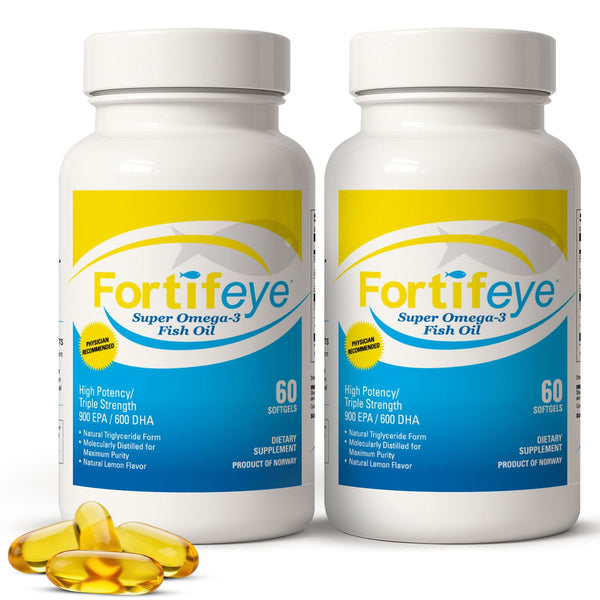
| Fish oil | Oil from fatty fish such as anchovies, sardines and mackerel | The most widely available source of EPA and DHA. Concentrated oils may be in ethyl ester or triglyceride form; either is usually taken with a meal. |
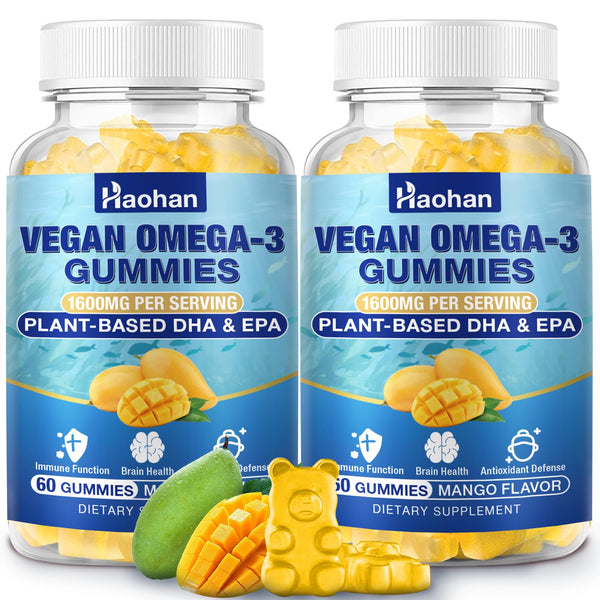
| Algae oil | Oil from cultivated microalgae | A plant-based source of DHA, and in some products EPA. Look for a vegetarian or vegan statement on the label if that matters to you. |
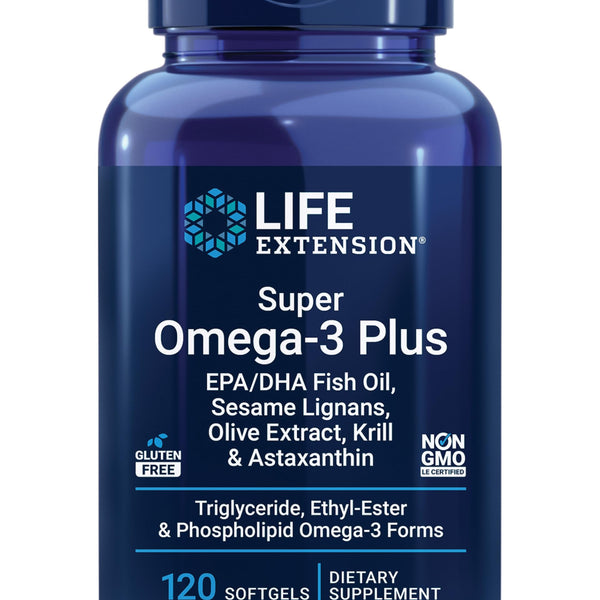
| Krill oil | Oil from small crustaceans | Omega-3s are partly in phospholipid form; capsules often contain less EPA and DHA than fish oil. Krill is a shellfish. |
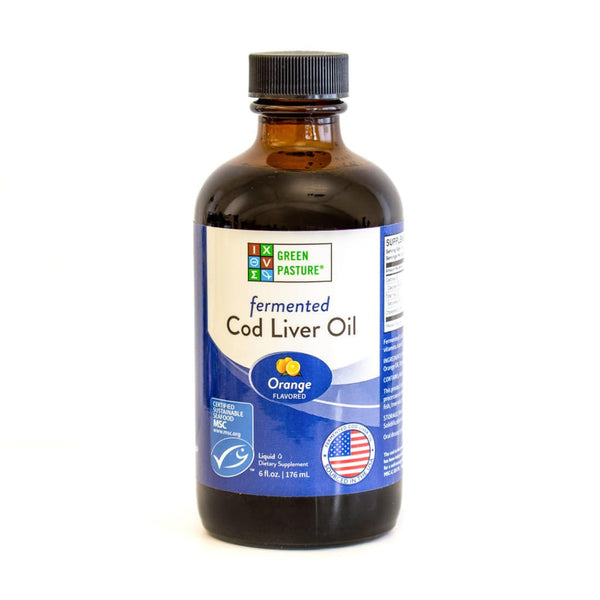
| Cod liver oil | Oil from cod livers | Also contains vitamins A and D. Count these toward your daily totals, since preformed vitamin A has an adult Upper Intake Level of 3,000 mcg RAE (10,000 IU). |
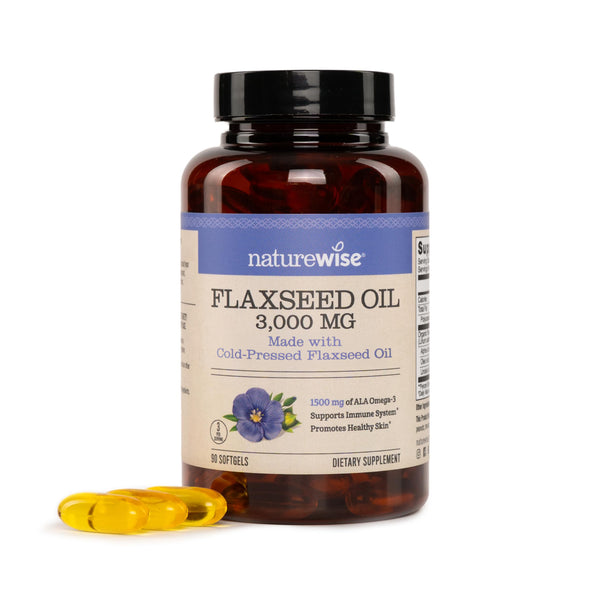
| Flaxseed oil | Plant oil | Provides ALA only, not EPA or DHA. |
| Omega-3-6-9 blends | Mixed oils | Many U.S. diets already include plenty of omega-6 and omega-9 fats from vegetable oils, so the omega-3 portion is the part to compare. |
Freshness and storage
Omega-3 fats oxidize when exposed to heat, light and air. Store softgels in a cool, dark place with the lid closed, refrigerate liquid oils after opening if the label says so, and use them before the best-by date. A sharp, rancid smell means the oil has gone off. A mild fishy aftertaste is common; taking softgels with a meal or keeping them in the refrigerator can help.
Safety
The FDA has concluded that up to 5 grams a day of EPA and DHA combined from dietary supplements is safe for most adults. Common side effects include an unpleasant taste, bad breath, heartburn, nausea, stomach discomfort and diarrhea. Omega-3 supplements may interact with blood thinners such as warfarin, so talk to your doctor first if you take one. If you have a fish or shellfish allergy, ask your doctor before using fish or krill oil. Talk to your doctor or pharmacist before starting a supplement, especially if you're pregnant or nursing, take medication, or have a medical condition.
Related
Browse Omega-3 & Fish Oil, Vitamins, Women's, Men's & Kids' Health (many prenatal formulas add DHA) and Protein & Sports Nutrition. See How to read a supplement label, Supplement safety, and our guides What USP, NSF and other seals really mean and Magnesium forms explained.
This guide is for general education and isn't a substitute for advice from your doctor, pharmacist or registered dietitian. Talk to your doctor or pharmacist before starting a supplement, especially if you're pregnant or nursing, take medication, or have a medical condition.
†These statements have not been evaluated by the Food and Drug Administration. These products are not intended to diagnose, treat, cure, or prevent any disease.
Sources
- NIH Office of Dietary Supplements: Omega-3 Fatty Acids Fact Sheet for Health Professionals
- NIH Office of Dietary Supplements: Omega-3 Fatty Acids Fact Sheet for Consumers
- Harvard T.H. Chan School of Public Health, The Nutrition Source: Omega-3 Fatty Acids
- Dietary Guidelines for Americans
- U.S. Food and Drug Administration: Dietary Supplements